Is Spotify Playlist Promotion Worth It? Start With the Right Question
If you're an independent artist, you've probably asked yourself is spotify playlist promotion worth it at least once. The short answer: it depends on what you expect. Playlist placement can put your music in front of listeners who already enjoy that sound, but it is not a magic switch that turns a weak track into a hit.
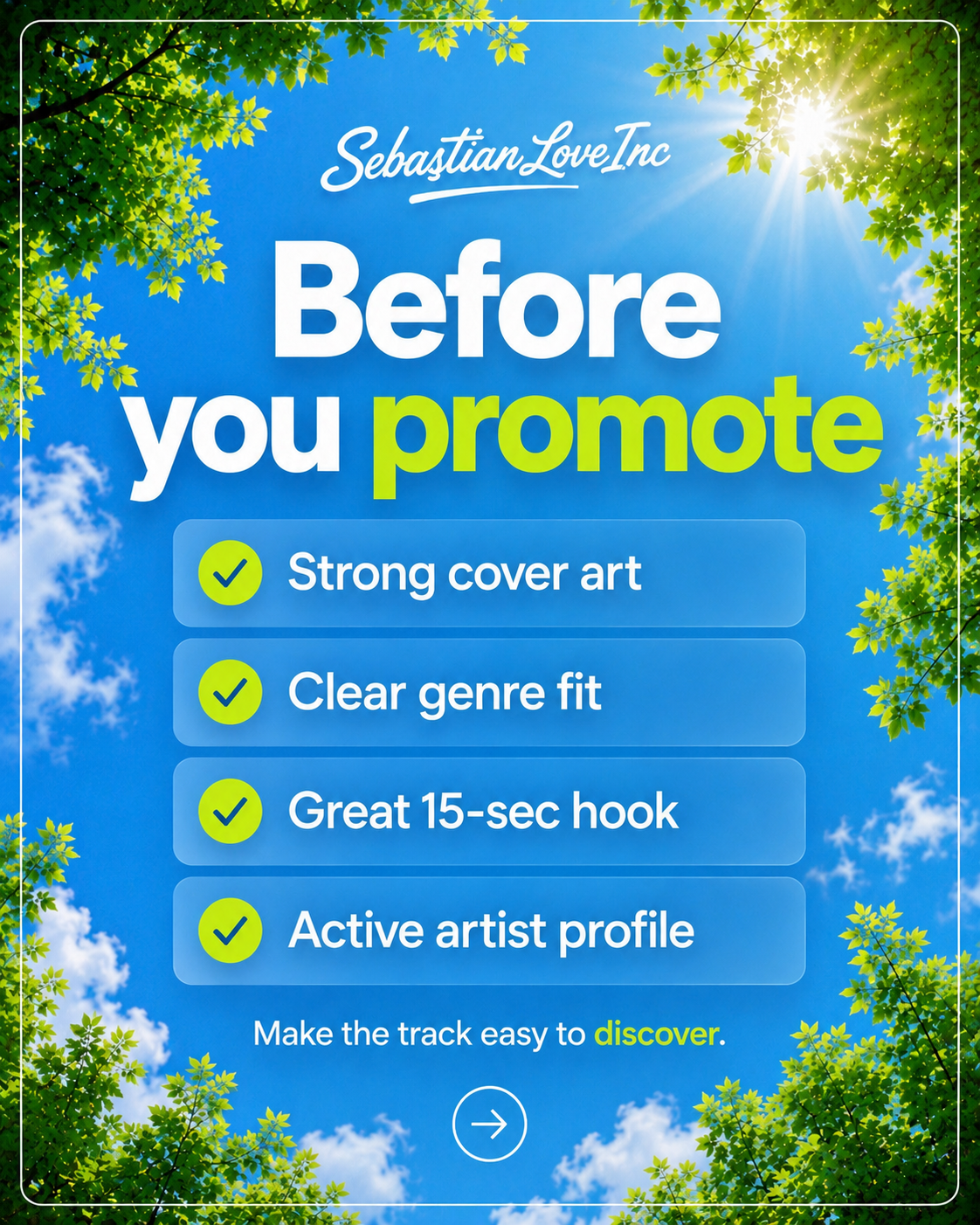
Before you spend a single dollar, ask a different question: what do you actually need right now? If your song is finished, mixed well, and has a strong cover and artist profile, a good playlist campaign can help you reach new ears. If your track still needs work or your profile looks abandoned, no playlist placement will save it. Check our practical checklist before promoting your next track to see if you're ready.
The honest truth is that playlist promotion can be worth it, but only when you treat it as one step in a longer plan, not a shortcut. This guide walks you through what to expect, how to spot scams, how to measure results, and what alternatives exist.
What a Legitimate Spotify Promotion Service Actually Does
A legitimate spotify promotion service like SebastianLoveInc pitches your track to a network of independent playlist curators. The goal is simple: get your song added to playlists that fit its style, mood, and genre. No legit service can promise streams, chart positions, or editorial placement on Spotify's official playlists—those are decided by Spotify's own team.
When you run a campaign, your job is to provide accurate metadata: genre, mood, similar artists, and a short pitch. The service then sends that pitch to curators who might be interested. Curators decide based on their own taste and whether your song fits their playlist's vibe. That's why fit matters more than follower counts—a small playlist of highly engaged listeners can outperform a huge one with passive followers.
At SebastianLoveInc, we've been operating since 2020 and work with a network of 3,000+ independent playlists. But we never promise placements on any specific playlist, because curators are independent. We focus on getting your music in front of the right ears, and if no eligible placement happens during your campaign window, our placement or your money back policy kicks in.
How to Evaluate a Playlist Promotion Service Before You Pay
Not all services are created equal. Some are outright scams, others are low-quality operations that pitch your track to random playlists with no relevance. Here's a checklist to help you evaluate any independent artist playlist promotion service before handing over your money.
- Transparency: The service should explain how it works, what playlists they work with, and what results you can realistically expect. If they promise streams or chart positions, walk away.
- No bot activity: Legit services never use bots or fake streams. Bots can get your music removed and harm your algorithmic chances. Ask if they guarantee real curators and real listeners.
- Clear pricing: You should know exactly what you're paying for, how long the campaign runs, and what happens if no placement is secured. Read the terms carefully.
- Money-back guarantee: A service that offers a refund if no eligible placement happens shows they're confident in their work. But read the fine print—what counts as "eligible"?
- No guarantees of success: If a service promises a specific number of streams or followers, that's a red flag. Nobody can guarantee that because it depends on listener behavior.
Take your time. A good service will be happy to answer your questions before you pay. If they push you to buy immediately, that's a warning sign.
Signs of a Scam or Low-Quality Playlist Promotion
Scams are everywhere, and they often target independent artists who are desperate for exposure. Here are the most common red flags:
- Guaranteed placements on famous playlists: No one can guarantee a spot on Spotify's editorial playlists like RapCaviar or New Music Friday. Those are curated by Spotify's team.
- Massive follower promises: "Get 10,000 streams in 24 hours" is a classic scam. Real streams come from real listeners, and you can't force that.
- Bots and fake playlists: Some services use bots to inflate streams or put your song on playlists that are just a loop of bot accounts. This can get your music flagged.
- No transparency about their network: If they won't tell you how many playlists they work with or what genres they cover, be suspicious.
- No refund policy: A service that refuses to offer any refund if they fail is risky. At minimum, they should have a clear policy.
If something feels off, trust your gut. A good service will never pressure you. Our guide on how playlist promotion works dives deeper into the mechanics, so you know what's normal.
Setting Realistic Goals for Playlist Placement
What does success look like? For most independent artists, a successful playlist campaign isn't about going viral. It's about getting your music in front of listeners who are likely to save, follow, and come back. That's the real value of playlist placement.
Here are some realistic goals to set:
- Reach: Your song is heard by a few hundred to a few thousand new listeners. That's a win, especially if they're in your target genre.
- Engagement: You see saves, follows, and repeat listens. These are signs that the playlist fit was right.
- Data: You learn what works and what doesn't. Even a campaign that doesn't blow up gives you insights for your next release.
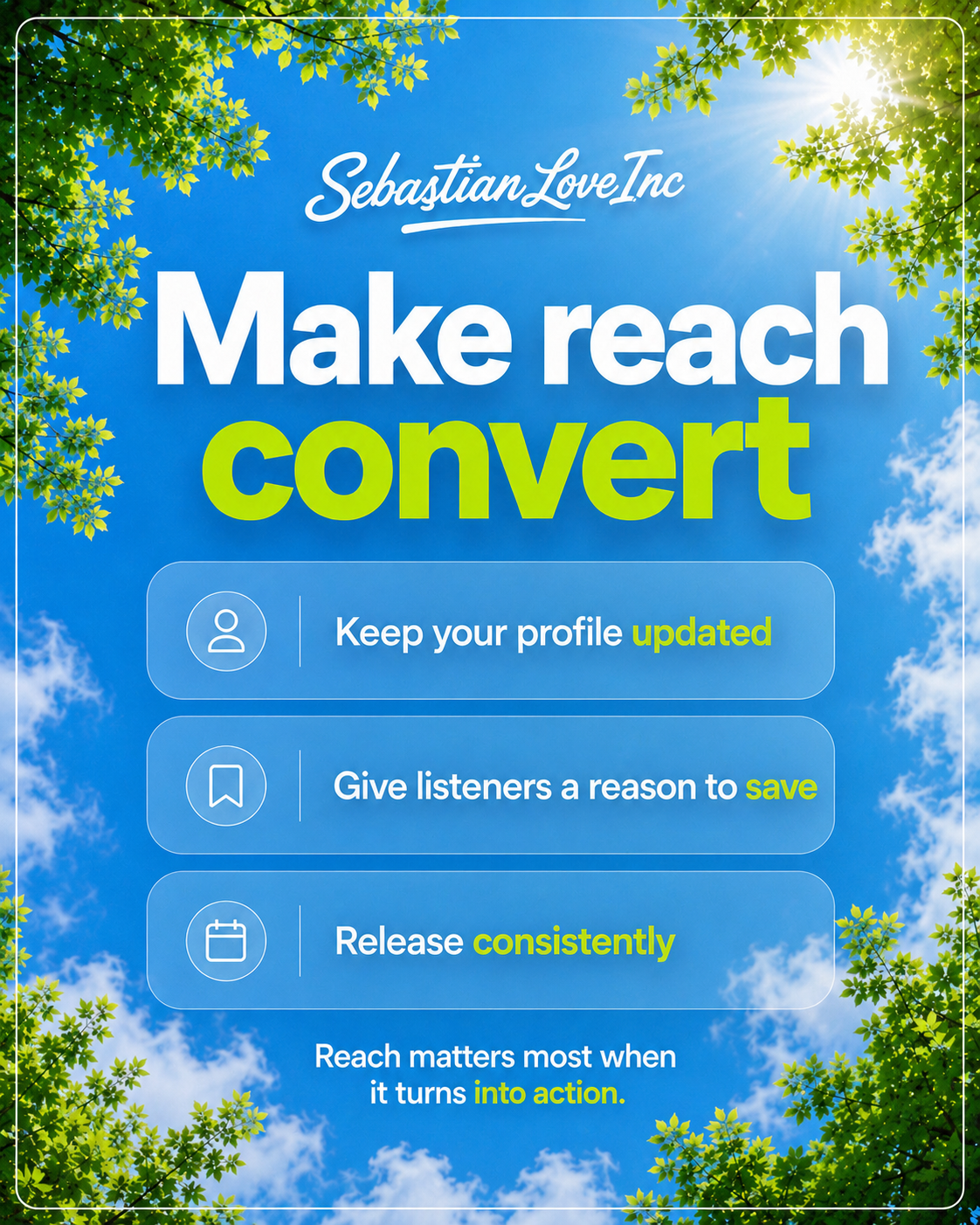
Don't expect overnight fame. Instead, think of playlist promotion as a way to build a foundation. If your music is good, a few placements can snowball into more organic reach. Our guide on turning reach into saves and follows helps you make the most of that initial exposure.
How to Measure the Results of a Playlist Campaign
You can't know if playlist promotion is worth it unless you measure the right things. Here's what to track after your campaign ends:
- Listener numbers: Check your Spotify for Artists dashboard. Look at the total streams and unique listeners over the campaign period.
- Saves and follows: These are strong signals of real interest. A listener who saves your song is more likely to become a fan.
- Playlist adds: How many times was your song added to other playlists by listeners? That's a sign of organic growth.
- Retention: Did listeners finish your track? A high completion rate means the playlist fit was good.
Compare these numbers to your baseline before the campaign. If you see a spike in saves or follows, that's a good sign. If you only get streams that disappear, the placement may not have been relevant. Also, check if any of the playlists are still active and sending traffic after the campaign ends—some placements give long-term value.
Remember, the goal isn't just streams. It's building a relationship with new listeners. Our simple growth formula shows how reach, saves, and follows work together.
Alternatives to Paid Playlist Promotion
Paid playlist promotion isn't the only way to get your music heard. In fact, you might achieve similar results with hard work and patience. Here are some alternatives:
- Pitch to Spotify's editorial team: You can submit unreleased tracks through Spotify for Artists. It's free, but there's no guarantee of selection.
- Build your own playlists: Create a playlist with your music and similar artists. Share it on social media and engage with listeners.
- Collaborate with other artists: Cross-promote with artists in your genre. You can feature each other on playlists or social media.
- Use social media and content: Share behind-the-scenes, lyric videos, and live performances. Platforms like TikTok and Instagram can drive listeners to your Spotify.
- Play live: If you gig, mention your Spotify and add a link in your bio. Every listener counts.
These alternatives take time and effort, but they build skills and a genuine fanbase. Paid promotion can accelerate things, but it's not a replacement for a solid overall strategy. If your budget is tight, start with free methods and consider paid promotion when you have a track that's truly ready.
What the Money-Back Guarantee Really Means
At SebastianLoveInc, we offer a placement or your money back guarantee. But what does that actually mean? It means if we can't secure any eligible playlist placement for your track during your campaign window, you get a refund of your campaign fee.
Eligible placement means your song is added to at least one playlist in our network that meets our quality criteria. We don't count playlists that are inactive, have no real listeners, or are clearly irrelevant to your genre. That's why we ask for detailed info about your music—it helps us find the right fit.
This guarantee protects you from wasting money on a service that doesn't deliver. But it's not a promise of streams or success. Even if we secure a placement, there's no guarantee listeners will love your track. That part is up to your music and how you engage with new fans.
Before you sign up, read the full refund policy so you understand the terms. A good service will always be clear about what they can and can't do.
So, Is Spotify Playlist Promotion Worth It?
After all that, you might still be on the fence. Here's the bottom line: playlist promotion worth it if you have a quality track, a complete artist profile, and realistic expectations. It's not worth it if you're looking for a quick fix, if your music isn't ready, or if you don't have a plan to convert those new listeners into fans.
Think of playlist promotion as a tool, not a solution. It can give you reach, but you need to do the follow-up: engage with listeners, release consistently, and build your brand. When used correctly, it can be a valuable part of your growth strategy.
If you're interested in trying it, we're here to help. Start a playlist promotion campaign and see if it makes a difference for your music. But remember, we can't promise you'll blow up. We can promise we'll do our best to get your music in front of the right ears.
Our insight: Playlist placement is about fit, not follower counts. A small, engaged playlist can be worth more than a huge one with passive listeners. Focus on the right ears, not the biggest numbers.