
Why Spotify Playlist Promotion Matters for Independent Artists
Getting your music onto playlists is one of the most effective ways to reach new listeners on Spotify. Playlists are how many users discover music, and a single well-placed track can introduce you to thousands of potential fans. For independent artists, spotify playlist promotion for independent artists is not just a nice-to-have — it is often the difference between a release that fades quickly and one that builds real momentum.
Playlists work because they put your music in front of people who are already in a listening mood. Unlike a radio spot or a social media ad, a playlist listener has chosen to hear new music. That intent makes them more likely to save your track, follow you, and come back for more. But getting placed is not random. It takes a clear strategy, consistent pitching, and an understanding of how Spotify's ecosystem actually works.
This guide walks you through the entire process — from understanding the different types of playlists to deciding whether to pitch on your own or use a paid service. You will also learn how to measure the results of your efforts and avoid the common pitfalls that waste time and money.
SebastianLoveInc Insight: Playlist promotion is not about chasing the biggest playlists. It is about finding the right fit — a playlist where your music belongs and listeners actually engage. Fit beats follower count every time.
The Different Types of Playlists and How They Work
Before you start pitching, you need to know what you are aiming at. Spotify has several kinds of playlists, and each one behaves differently. The most visible are algorithmic playlists like Discover Weekly, Release Radar, and the various Daily Mixes. These are generated by Spotify's recommendation system based on listener behavior. You cannot pitch to them directly, but they are influenced by how listeners react to your music — saves, skips, and repeat plays all matter.
Then there are editorial playlists, curated by Spotify's own team. These include big ones like Today's Top Hits and genre-specific lists. Getting on an editorial playlist is tough for independent artists, but not impossible. You can pitch your unreleased music to Spotify's editorial team through Spotify for Artists when you upload a track. That is the only official way to seek editorial placement.
Finally, there are independent playlists — curated by individuals, brands, or small teams. These range from tiny niche lists with a hundred followers to large ones with hundreds of thousands. Independent playlists are where most independent artist playlist promotion happens, because curators are accessible and often open to submissions. They are also where paid services focus their efforts.
Each type of playlist serves a different purpose. Algorithmic playlists reward listener engagement. Editorial playlists bring massive reach but are hard to get. Independent playlists offer a middle ground: they can give you targeted exposure to a specific audience, and they are the most practical route for most indie artists.
DIY Promotion: Pitching to Curators and Using Spotify for Artists
You do not need to spend money to start promoting your music on Spotify. The first step is to use the tools you already have. Spotify for Artists gives you access to your release dashboard, where you can pitch unreleased tracks to editorial curators. That pitch is your one shot at editorial placement, so make it count. Write a clear description of your track, mention your genre, mood, and any interesting backstory. Do not waste the space on hype — be concrete.
For independent playlists, you can find curators through social media, playlist databases, and even by searching Spotify for playlists that fit your style. When you reach out, keep it personal. Mention why your song fits their playlist specifically. A generic mass message will get ignored. Follow the curator's submission rules if they have them — many prefer a link to your track rather than an attachment.
Pitching is a numbers game, but only if you pitch well. Send your track to 20 or 30 relevant playlists, not 500 random ones. Track your submissions in a simple spreadsheet. Note which curators respond, which accept, and which never reply. Over time, you will learn what works for your music.
If you want to refine your pitch, read our guide on how to pitch music to playlist curators. It covers the exact steps to craft a submission that stands out.
When to Consider a Paid Playlist Promotion Service
DIY pitching works, but it takes time and patience. If you are releasing music regularly and want to accelerate the process, a paid playlist promotion service can help. These services have relationships with independent curators and can submit your track to many playlists at once. That saves you hours of research and outreach.
However, not all services are created equal. Some use bots or fake playlists that inflate stream counts but deliver no real listeners. Those are a waste of money and can harm your account — Spotify may even remove artificially boosted streams. A legitimate service focuses on real, human-curated playlists and transparent reporting.
Before you pay, check how the service works. Do they guarantee placement? If so, is that guarantee backed by a refund policy? A service that offers a placement or your money back policy is more likely to stand behind its work. Also, look for services that match your music to playlists based on genre and mood, not just follower count.
If you are unsure whether paid promotion is right for you, weigh the cost against your goals. A single placement on a well-matched playlist can bring in new fans who stick around. But if your music is not ready — weak production, poor mix, or a boring cover — no playlist will save it.
How to Evaluate a Playlist Promotion Service: Red Flags to Avoid
Scams are common in the playlist promotion space. The warning signs are usually clear. If a service promises a certain number of streams, or guarantees placement on editorial playlists like Rap Caviar, run. No one can guarantee those things, and any claim to do so is a lie.
Another red flag is the use of bots. Some services submit your track to playlists that are run by bots or filled with fake listeners. These playlists might look impressive on paper, but they deliver no real engagement. Your track will get streams that vanish after a few days, and Spotify may flag your account for suspicious activity.
Legitimate services are transparent about how they work. They tell you how many playlists they submit to, what types of playlists those are, and how long the campaign lasts. They also provide reports showing which playlists accepted your track. If a service is vague about any of these details, treat that as a warning.
Take time to read reviews and ask other artists about their experiences. A service that has been around for years and has a track record of satisfied clients is safer than a new operation with flashy promises. Our guide on choosing a playlist promotion service goes deeper into what to look for.
Measuring Success: Metrics That Matter After Placement
Once your track is on a playlist, the work is not over. You need to know whether the placement actually helped. The most obvious metric is streams, but streams alone do not tell you much. Pay attention to listener retention — how long people listen before skipping. A high retention rate means the playlist is a good fit. A low one suggests the audience is not interested in your style.
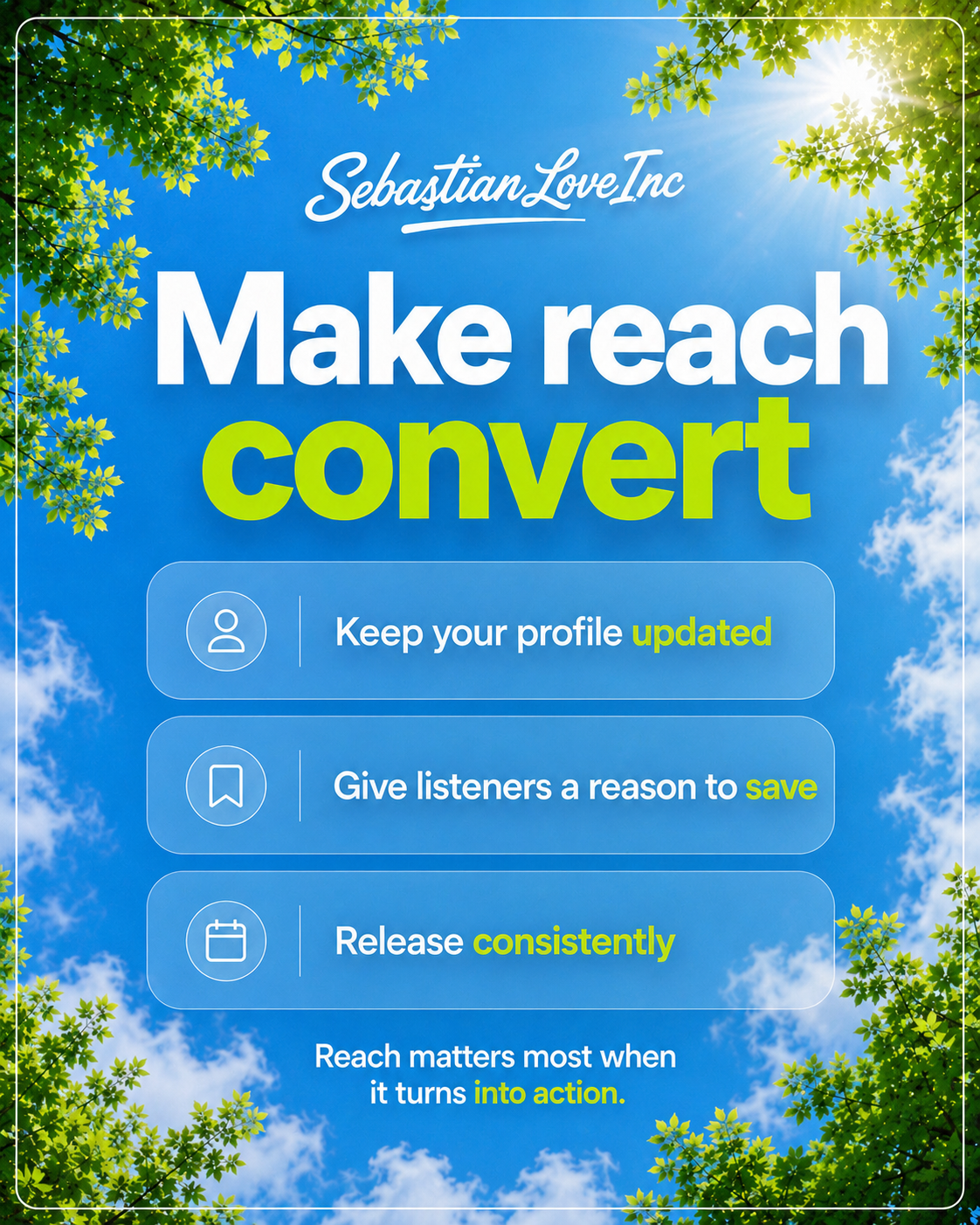
Also track saves and follows. A listener who saves your track or follows your artist profile is more valuable than one who streams once and disappears. These actions signal to Spotify that your music is worth recommending, which can trigger algorithmic playlists later.
Use Spotify for Artists to monitor your numbers during and after the campaign. Compare the performance of tracks that got playlist placements against those that did not. Over time, you will see which playlists bring the most engaged listeners and which ones are not worth the effort.
For a deeper look at what to track, see our article on turning reach into saves and follows. It breaks down the exact metrics you should watch.
Combining Playlist Promotion with Other Marketing Efforts
Playlist placement is a tool, not a complete strategy. To get the most out of it, pair it with other promotion. Share your playlist placements on social media. Tell your email list. Create content around the release — a lyric video, a behind-the-scenes clip, or a live performance. The more touchpoints you create, the more likely listeners will remember you.
Also, think about the timing of your release. A playlist campaign works best when it aligns with your release date. Pitch your track to curators before the release, so placements go live on day one. That early buzz can push the track into algorithmic playlists like Release Radar, giving you a second wave of exposure.
Consistency matters too. A single successful placement is nice, but regular releases with consistent promotion build a loyal audience. If you release every few months and run a playlist campaign each time, you will see compounding growth.
For a broader view on building momentum, read our release strategy guide. It shows how to plan your releases to keep the momentum going.
Common Mistakes to Avoid in Playlist Promotion
Even experienced artists make mistakes. The most common one is pitching to playlists that do not fit. If your indie folk track lands on a heavy metal playlist, listeners will skip it, and that hurts your track's performance. Always check the playlist's vibe and recent tracks before submitting.
Another mistake is ignoring the quality of your music. A great playlist placement cannot fix a poorly recorded or mixed track. Make sure your production is competitive before you spend money or time on promotion.
Some artists also quit too early. Playlist promotion is not a one-and-done thing. It takes multiple attempts, and you will get rejected often. Do not take rejections personally. Keep refining your pitch and try again with the next release.
Finally, do not rely solely on playlists. If a playlist stops performing, your streams will drop. Build a direct relationship with your fans through email and social media, so you are not dependent on someone else's playlist.
If you are just starting out, check our pre-promotion checklist to make sure you have covered the basics.
Bringing It All Together
Spotify playlist promotion for independent artists is a multi-step process. Start by understanding the different types of playlists. Then pitch to curators on your own, using Spotify for Artists for editorial opportunities. If you want to speed things up, consider a paid service, but choose carefully. Always measure your results and combine playlist promotion with other marketing efforts.
The key is to stay consistent and patient. No single placement will make or break your career, but a series of well-matched placements can build a solid foundation. Keep learning from each campaign, and you will get better over time.
If you decide to use a paid service, look for one that is transparent and offers a refund policy if no placement is secured. Our Spotify playlist promotion campaigns are designed with that principle in mind. They cannot guarantee streams or fame, but they can get your music in front of real curators who might love it. That is a fair exchange — and a good starting point for your next release.